


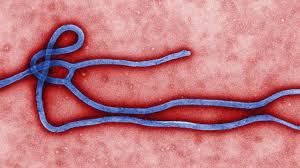
The Ebola outbreak in the Democratic Republic of Congo (DR Congo) has raised fresh global health concerns after reports emerged that at least six Americans may have been exposed to the deadly virus.
According to reports from CBS News and the BBC, one American is believed to be showing symptoms linked to Ebola, while three others reportedly experienced high-risk exposure during the ongoing outbreak. Authorities have not confirmed whether any of the individuals have tested positive.
The World Health Organization (WHO) has officially classified the outbreak as a public health emergency of international concern. Health officials in DR Congo have reported approximately 350 suspected cases and at least 91 deaths linked to the virus so far.
The US Centers for Disease Control and Prevention (CDC) confirmed it is assisting with the safe evacuation of a small group of affected Americans, though officials declined to specify the number involved. Reports suggest the US government may transport the individuals to a secure quarantine facility, possibly at a military base in Germany, although this has not been officially confirmed.
Health experts say the outbreak involves the Bundibugyo strain of Ebola, a rare variant for which there are currently no approved vaccines or targeted treatments. The CDC has also confirmed two Ebola cases and one death in neighboring Uganda, increasing fears of regional spread.
Despite concerns, the CDC insists the risk to the United States remains low. However, the US government has issued its highest travel warning — a Level Four advisory — urging citizens to avoid all travel to DR Congo.
The WHO has warned that the outbreak could be significantly larger than current figures suggest, noting that many infections may still be undetected or unreported. Although the agency stopped short of declaring the situation a pandemic, officials acknowledged the strong possibility of further local and regional transmission.
The latest outbreak revives memories of the devastating 2014–2016 Ebola epidemic in West Africa, which infected more than 28,000 people and claimed over 11,000 lives across several countries, including cases recorded in the United States and Europe.
Jean Kaseya, Director-General of the Africa Centres for Disease Control and Prevention, has urged communities to strictly follow public health measures, particularly guidelines surrounding contact with infected persons and burial practices for Ebola victims.
As health agencies continue to monitor the situation, global attention remains fixed on Central Africa in an effort to contain the virus before it spreads further.