


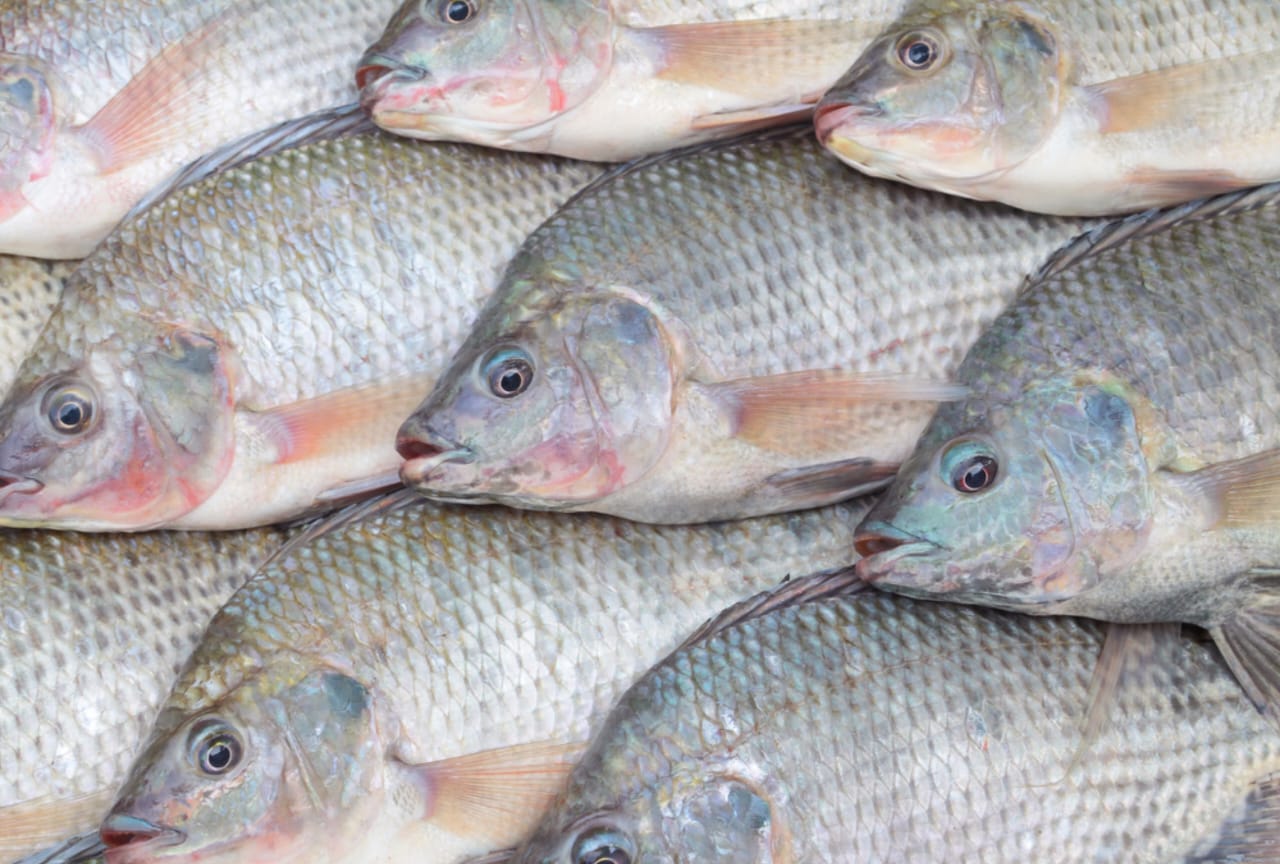
The United Nations Food and Agriculture Organization (FAO) has urged African countries to significantly expand fish farming as part of efforts to strengthen food security and meet the growing nutritional needs of the continent’s rapidly increasing population.
The call comes as global fish production reaches record levels, driven largely by the continued growth of aquaculture, commonly known as fish farming.
Global Fish Production Reaches New High
According to the latest State of World Fisheries and Aquaculture report released by the FAO, global fish and seafood production has continued to rise, making the sector a major contributor to the world economy.
The report revealed that fish and seafood trade is now valued at approximately $184 billion globally.
Aquaculture has emerged as the fastest-growing source of fish production, overtaking traditional capture fishing as a food source in 2021 and continuing to expand in subsequent years.
In 2024, fish farming surpassed 100 million tonnes of production for the first time in history, marking a significant milestone for the industry.
Africa Falling Behind in Aquaculture
Despite global growth, Africa continues to lag behind other regions in fish farming development.
The report noted that only about 18 percent of fish consumed or produced in Africa comes from aquaculture, compared to roughly half of fish production in many other parts of the world.
Experts warn that without substantial investment and expansion, the continent may struggle to meet future food demands.
According to FAO projections, fish production in Sub-Saharan Africa will need to increase by approximately 68 percent by 2050 to keep pace with population growth and rising demand for protein-rich foods.
Aquaculture Seen as a Game-Changer
Speaking on the findings, Manuel Barange described fish farming as a major opportunity for Africa.
He noted that aquaculture has the potential to transform food production, create jobs, stimulate economic growth, and improve access to affordable sources of nutrition.
According to him, the continent possesses significant untapped potential that could be harnessed through strategic investments and supportive policies.
Barange stressed that governments must act quickly to create favourable regulatory frameworks and incentives capable of attracting both local and international investors into the sector.
Climate Change Driving Need for Alternative Solutions
The FAO also highlighted climate change as one of the major factors reshaping global fisheries.
Changing weather patterns, rising temperatures, and shifting ocean ecosystems are affecting the distribution and abundance of fish populations around the world.
As a result, fish farming is increasingly being viewed as a more predictable and manageable alternative to relying solely on wild fish stocks.
Aquaculture allows producers to maintain greater control over production conditions, helping to reduce some of the uncertainties associated with climate-related disruptions.
Overfishing Remains a Global Concern
While celebrating record production levels, the report also raised concerns about the sustainability of global fisheries.
According to the FAO, only 62 percent of fisheries worldwide are currently being managed at sustainable levels.
This means that a significant portion of fish stocks continue to face pressure from overfishing and unsustainable harvesting practices.
Experts say stronger conservation measures and improved fisheries management are needed to protect marine ecosystems and ensure long-term food security.
Our Ocean Conference Highlights Marine Issues
The report was launched during the 11th edition of the Our Ocean Conference, held in the Kenyan coastal city of Mombasa.
The event, which is taking place in Africa for the first time, has brought together government officials, investors, researchers, environmental organizations, and industry leaders from around the world.
The conference focuses on issues including marine conservation, sustainable fisheries, climate adaptation, ocean security, and pollution reduction.
Since its inception in 2014, organizers say the conference has generated more than 2,900 commitments valued at over $169 billion toward ocean-related initiatives.
Opportunities for Africa’s Future
Analysts believe that expanding aquaculture could provide Africa with a significant opportunity to improve food security, reduce reliance on fish imports, create employment opportunities, and strengthen rural economies.
With demand for fish expected to rise steadily over the coming decades, stakeholders say proactive investment in fish farming could play a critical role in ensuring sustainable food production and economic development across the continent.