


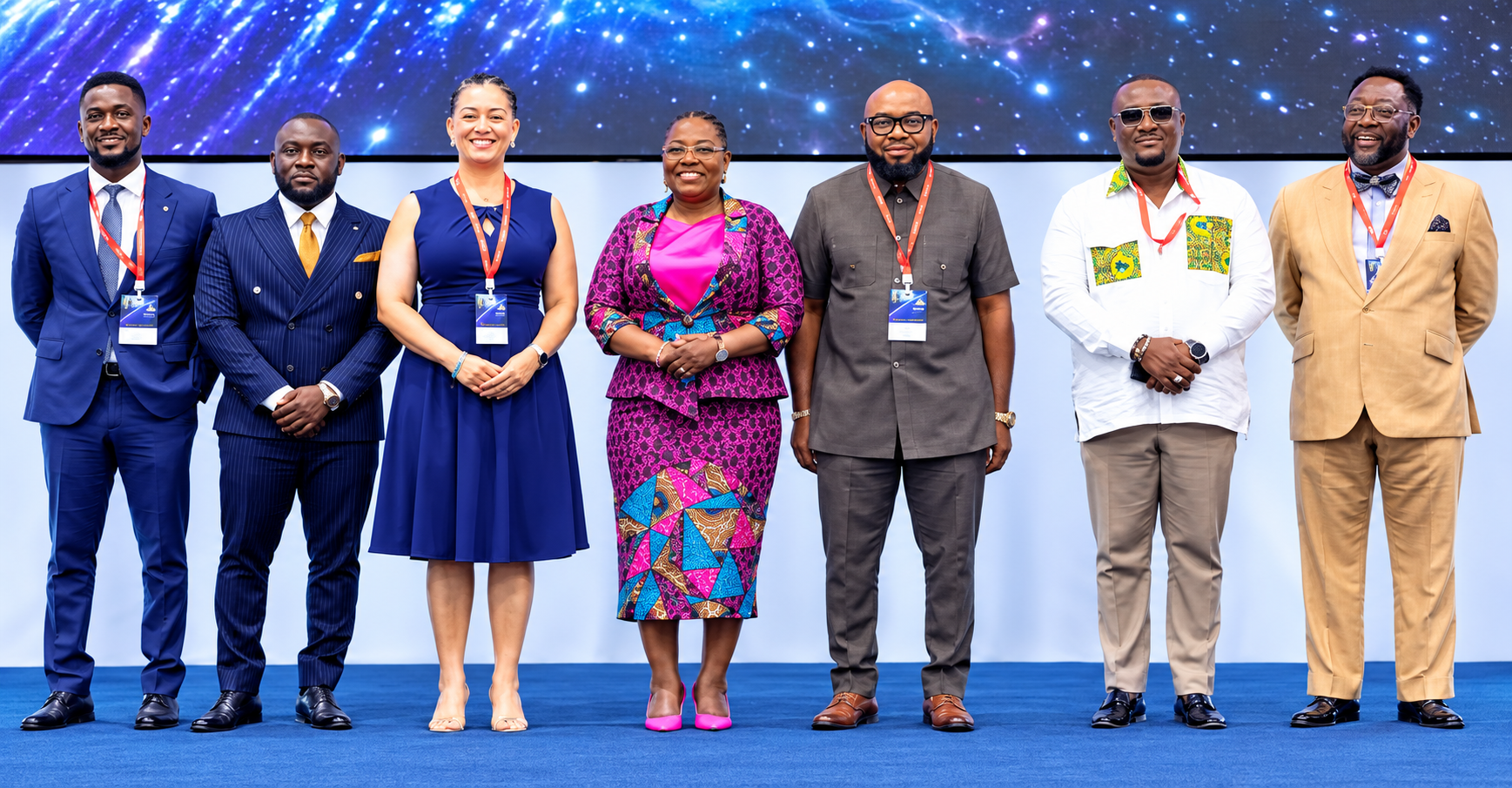
Ghana has opened its 2026 National ICT Week with a renewed push for stronger collaboration, artificial intelligence adoption and digital skills development as the country works to expand opportunities across its growing technology ecosystem.
The event, organised by the National Information Technology Agency (NITA), is being held under the theme, “Innovation at Scale: Creating Opportunities Across Ghana’s Digital Ecosystem.”
Deputy Minister for Communication, Digital Technology and Innovations, Mohammed Adam Sukparu, officially opened the celebration on behalf of Sector Minister Samuel Nartey George, calling for greater cooperation among government institutions, technology companies, academic institutions and innovators.
The government says such collaboration will be essential to building the policies, infrastructure, skills and institutions required to maximise opportunities in the digital economy.
Delivering the minister’s address, Sukparu said the theme of this year’s National ICT Week reflects Ghana’s broader ambition to move beyond isolated technology initiatives and build an ecosystem capable of supporting innovation at scale.
The focus, according to the government, is not only on developing new technologies but also on ensuring that citizens have the skills and opportunities needed to participate in the digital economy.
Artificial intelligence featured prominently in the government’s plans.
Ghana’s AI Strategy Takes Centre Stage
A major focus of the event was Ghana’s National Artificial Intelligence Strategy, which was launched in April 2026.
The strategy is expected to provide a framework for the responsible and inclusive adoption of artificial intelligence across the country.
According to Sukparu, the framework places emphasis on several important areas, including data governance, digital infrastructure, talent development, ethical AI use and practical applications of the technology across different sectors of the economy.
The government’s approach reflects a growing recognition across Africa that artificial intelligence is becoming an important part of national digital strategies.
Countries across the continent are increasingly exploring how AI can support public services, education, healthcare, agriculture, financial services and business development.
For Ghana, the focus is on building the systems and human capacity required to ensure that the country can participate meaningfully in the development and use of AI.
The government has also begun an AI capacity-building programme for public-sector officials in partnership with UNESCO, UNDP and the Government of Japan.
The initiative is expected to support the implementation of Ghana’s national AI strategy by helping public-sector workers understand the technology and its potential applications.
Building public-sector capacity could also play an important role in determining how effectively artificial intelligence is integrated into government services and national development programmes.
One Million Coders Programme Expands Digital Skills
Beyond artificial intelligence, digital skills development is another major pillar of Ghana’s technology agenda.
The Deputy Minister highlighted the One Million Coders Programme, a flagship initiative designed to equip one million Ghanaians with practical coding and digital skills.
The programme is expected to prepare participants for opportunities in employment, entrepreneurship and the wider digital economy.
According to Sukparu, more than 12,000 course completions had already been recorded during the early weeks of Phase Two of the initiative.
The programme represents one of Ghana’s most ambitious efforts to expand access to technology education and prepare a larger workforce for an increasingly digital economy.
As businesses, governments and industries continue to adopt new technologies, the demand for skills in areas such as software development, data, artificial intelligence and other digital fields is expected to increase.
The government’s investment in coding and digital skills is therefore aimed at helping more Ghanaians compete for opportunities within the country and across the global technology industry.
Collaboration and Innovation at Scale
The 2026 National ICT Week is also focused on strengthening cooperation between key players within Ghana’s digital ecosystem.
Government agencies, private companies, universities, technology communities and innovators all have different roles to play in developing the infrastructure and expertise required to support long-term digital growth.
The theme, “Innovation at Scale,” highlights the government’s interest in moving successful technology ideas and programmes beyond small pilot projects.
For innovation to have a wider economic impact, governments and technology stakeholders must address challenges such as infrastructure, funding, access to skills and supportive policies.
The event is therefore expected to provide a platform for conversations around how Ghana can create more opportunities through technology while ensuring that innovation reaches a wider segment of the population.
AI, Skills and Innovation Shape Ghana’s Digital Agenda
With artificial intelligence rapidly reshaping industries around the world, Ghana is placing AI development and digital skills alongside broader efforts to strengthen its technology ecosystem.
The National AI Strategy provides a framework for responsible adoption, while the One Million Coders Programme is focused on building the human capacity required to support the country’s digital future.
The government’s partnership with international organisations to train public-sector officials also highlights the importance of preparing institutions alongside citizens and businesses.
As the 2026 National ICT Week continues, Ghana’s message is clear: the next phase of its digital transformation will depend heavily on artificial intelligence, skilled talent, innovation and stronger collaboration across the technology ecosystem.