


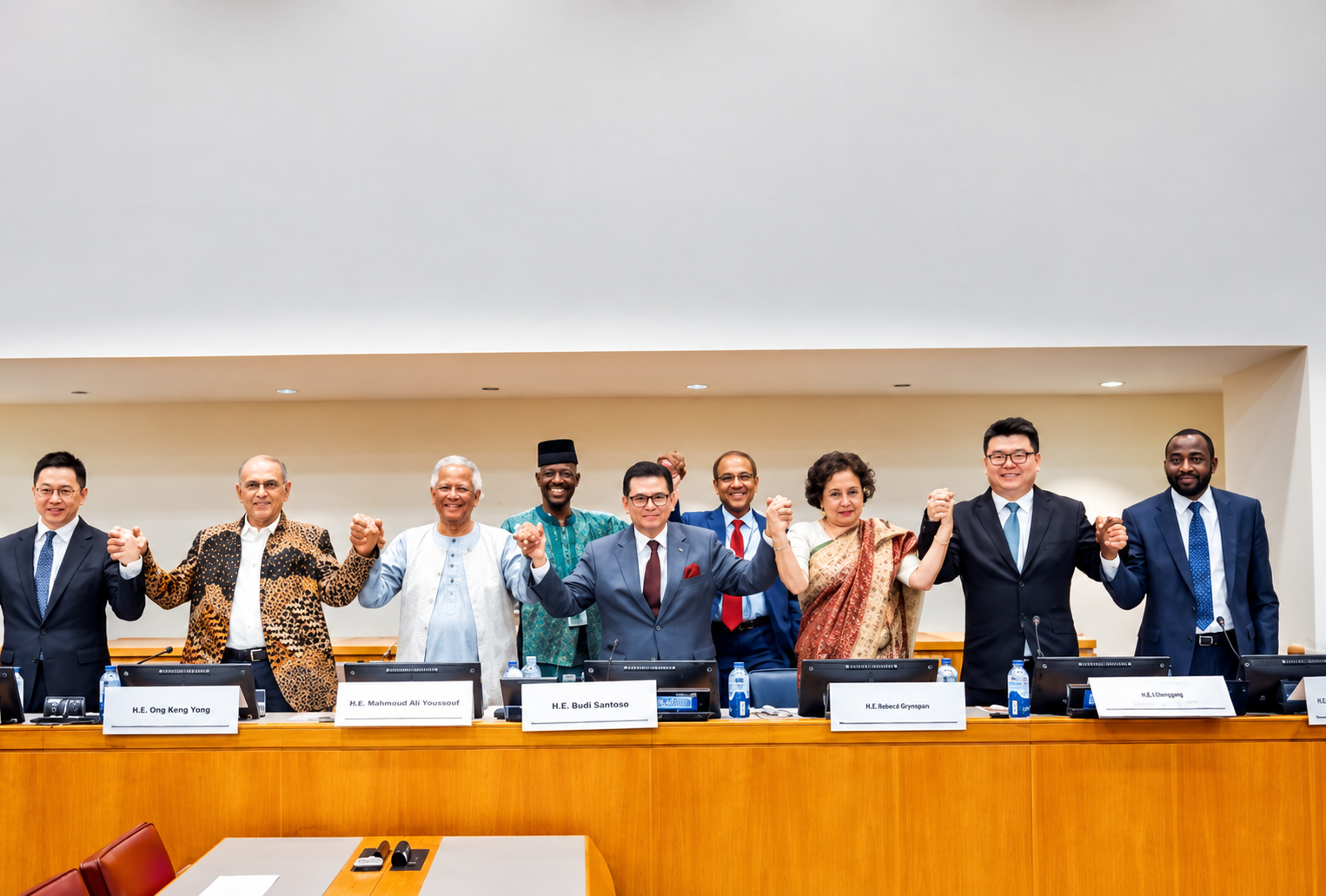
Nigeria has joined a high-level global conversation on digital innovation, emerging technologies and inclusive digital transformation, with the National Information Technology Development Agency (NITDA) highlighting the need to ensure that technological advancement translates into tangible improvements in people’s lives.
The Director-General and Chief Executive Officer of NITDA, Kashifu Inuwa Abdullahi, CCIE, participated in the global dialogue, which focused on how digital innovation and emerging technologies can contribute to sustainable development and broader participation in the digital economy.
The engagement brought together political leaders, development experts and technology stakeholders from different parts of the world to examine the role of technology in addressing economic and social challenges.
Among those featured in the opening session were Dr. Khalliur Rahman, President of the 81st Session of the United Nations General Assembly; José Ramos-Horta, President of the Democratic Republic of Timor-Leste and 1996 Nobel Peace Laureate; Dasho Tshering Tobgay, Prime Minister of Bhutan; Wellington Dias, Brazil’s State Minister of Development and Social Assistance, Family and Fight Against Hunger; and Bilal Bin Saqib, MBE, Minister of State and Chairman of Pakistan’s Virtual Assets Regulatory Authority.
The programme also featured Professor Muhammad Yunus, the 2006 Nobel Peace Laureate, founder of Grameen Bank and Chair of the Global Committee on Social Business for Sustainable Development Goals, as a high-level keynote speaker.
The session was welcomed by Lamiya Morshed, Executive Director of the Yunus Centre, and co-moderated by Dominique V. Dauster, Managing Director of Yunus+You – YY Foundation, and James Chau, President of the China-United States Exchange Foundation and WHO Goodwill Ambassador.
Technology Beyond Infrastructure
NITDA said Nigeria’s participation underscored the importance of viewing digital transformation not merely in terms of technological infrastructure, but also through its impact on people, communities and economic opportunities.
According to the agency, technology delivers greater value when it expands opportunities, strengthens inclusion and helps address societal challenges.
This approach places people at the centre of Nigeria’s digital transformation agenda, with emphasis on ensuring that emerging technologies are translated into practical benefits for citizens.
For Nigeria, NITDA highlighted the continued development of an ecosystem built around artificial intelligence, digital public infrastructure, digital skills, innovation and entrepreneurship.
These areas are expected to play important roles in supporting inclusive economic growth and sustainable national development as technology continues to reshape industries, public services and economic activities.
The agency’s participation also reflects the growing importance of international conversations around how countries can harness emerging technologies while ensuring that their benefits are accessible to wider segments of society.
NITDA Emphasises Human Impact
Abdullahi emphasised the importance of measuring digital transformation by its real-world impact rather than by the sophistication of the technologies deployed.
“The true measure of digital transformation is not the sophistication of the technology we deploy, but the number of lives we improve, opportunities we create, and people we empower to participate in the digital economy.”
The statement captures a central theme of the engagement: that digital transformation should ultimately contribute to improved opportunities and greater participation in the digital economy.
For Nigeria, this includes strengthening digital skills and creating an environment where innovation and entrepreneurship can contribute to economic development.
Artificial intelligence is also becoming an increasingly important component of the country’s technology ecosystem, alongside digital public infrastructure and other emerging technologies.
NITDA reiterated its commitment to contributing to international discussions on the role of technology and innovation in advancing the Sustainable Development Goals.
The agency also stressed the importance of broader participation in the digital economy, particularly as technological change continues to create new opportunities while reshaping existing economic and social systems.
Nigeria’s Digital Development Agenda
The participation provides another platform for Nigeria to engage with global stakeholders on the opportunities and challenges associated with digital transformation.
Digital skills, innovation and entrepreneurship remain important components of efforts to build a more inclusive digital economy, while artificial intelligence presents additional opportunities for developing new solutions to social and economic challenges.
The global dialogue also highlights the importance of cooperation among governments, development institutions, technology stakeholders and other actors in ensuring that emerging technologies are deployed in ways that support sustainable development.
For Nigeria, continued participation in such conversations can provide opportunities to exchange ideas, share experiences and contribute to broader discussions about the future of technology and development.
NITDA said it would continue to support efforts aimed at ensuring that technology and innovation contribute to sustainable national development and create wider opportunities for Nigerians to participate in the digital economy.
As digital transformation continues to influence economies around the world, the focus is increasingly shifting from simply adopting new technologies to determining how effectively those technologies can improve lives, expand opportunities and address practical challenges.
Nigeria’s participation in the global dialogue reflects its ongoing engagement with that conversation and its stated focus on building an ecosystem where digital innovation can contribute to inclusive economic growth and sustainable development.