


The United States is facing growing criticism over its expanding third-country deportation programme, with reports alleging that Washington is using visa restrictions, financial incentives and diplomatic pressure to persuade several African countries to accept migrants who are neither their citizens nor residents.
According to an AFP investigation, the policy forms part of President Donald Trump’s intensified immigration crackdown, with several deportees reportedly transferred to African nations where they have no family ties, legal status or support networks.
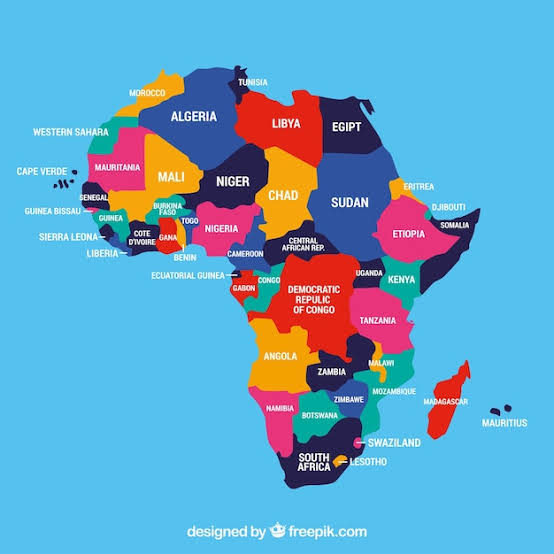
Among those affected is Cambodian national Pheap Rom, who was deported to Eswatini and detained in a maximum-security prison despite having no connection to the southern African country. Other deportees have reportedly been sent to the Democratic Republic of Congo, Uganda, South Sudan, Ghana and Equatorial Guinea.
Former US State Department officials told AFP that Washington has increasingly relied on visa restrictions and other diplomatic measures to encourage African governments to participate in third-country deportation agreements.
Human rights advocates and immigration lawyers have criticised the programme, arguing that many deportees are being placed in legal uncertainty, with some held without charge and others transferred to countries where they face fresh risks of persecution or deportation.
Reports also suggest that some African governments received financial assistance as part of the arrangements. Eswatini is reported to have agreed to accept deportees under a multi-million-dollar assistance package, while Rwanda has also reportedly entered into a similar agreement.
Lawyers representing affected migrants argue that the policy undermines protections previously granted under international human rights standards, including safeguards for individuals protected under the Convention Against Torture.
Several deportees reportedly had legal protection preventing their return to their countries of origin but were instead transferred to third countries where they lacked legal rights or immigration status.
The investigation also alleges that some deportees were informed of their destinations only after boarding deportation flights, without prior notice or access to legal counsel.
Human rights organisations have expressed concern that some deportees have subsequently been returned to countries where they risk persecution, describing the process as “chain refoulement,” which is prohibited under international law.
The Trump administration has defended the policy, maintaining that third-country agreements are an important component of its broader immigration enforcement strategy aimed at strengthening border security and addressing illegal migration.
However, rights groups, legal experts and several lawmakers continue to question the legality and humanitarian consequences of the programme, calling for greater transparency regarding the agreements reached with participating countries and the treatment of deportees after arrival.
The issue has sparked wider debate over the balance between national immigration enforcement and international human rights obligations, particularly as more African nations become involved in third-country deportation arrangements with the United States.